
By the time you have finished reading this, you will know everything there is to know about raw dog food, and will comfortably be able to make the decision on whether or not it’s the right thing for your dog. Spoiler alert, It is!
If you’re considering the best option for feeding your dog, switching to raw food could be the game-changer you’ve been searching for. A natural diet doesn’t just nourish your dog, it transforms their overall health and happiness. From visible improvements like a shinier coat and cleaner teeth to long-term benefits such as better gut health, raw food is the ultimate way to ensure your dog thrives. This is the ultimate, bite sized, know it all, guide to Raw feeding.

Raw dog food is exactly what it sounds like. A diet made up of fresh, uncooked ingredients that dogs are biologically designed to eat. Instead of relying on heavily processed pellets or powders, raw feeding focuses on whole foods that closely resemble what dogs and their ancestors have eaten for thousands of years.
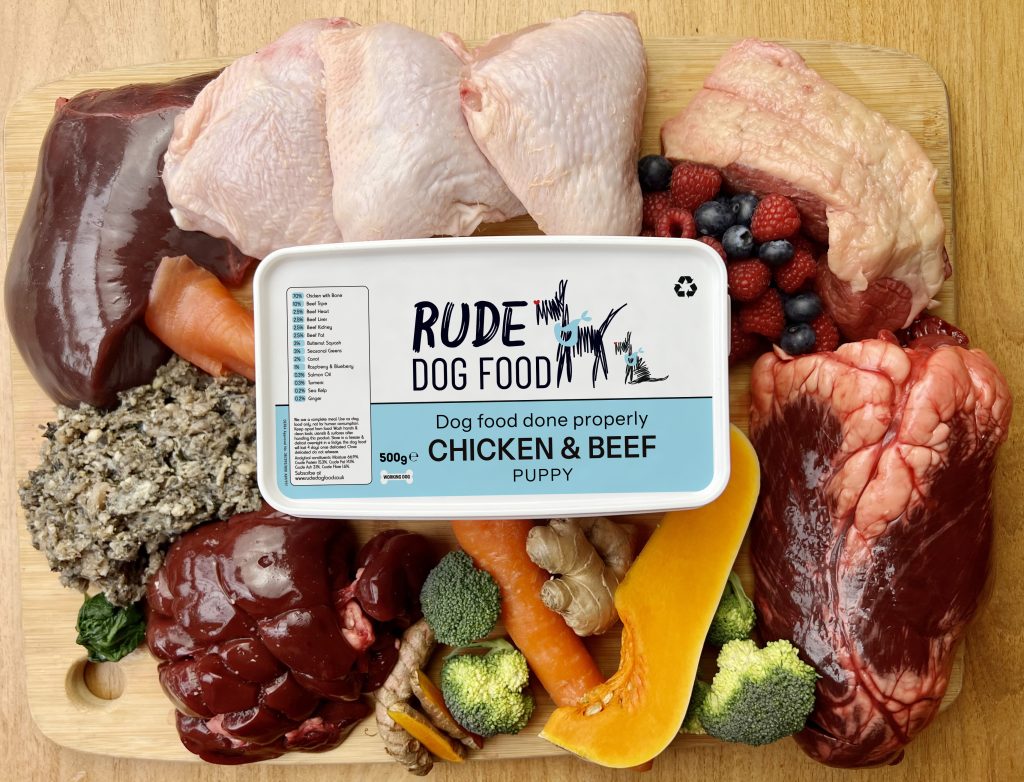
At its core, a raw diet is built around animal-based nutrition. That means high-quality meat for protein, edible bone for calcium and phosphorus, and organs like liver and kidney for essential vitamins and minerals. These ingredients work together to support digestion, muscle development, immune health and overall wellbeing. When done properly, raw feeding is not about guesswork or throwing scraps in a bowl. It is about balance.
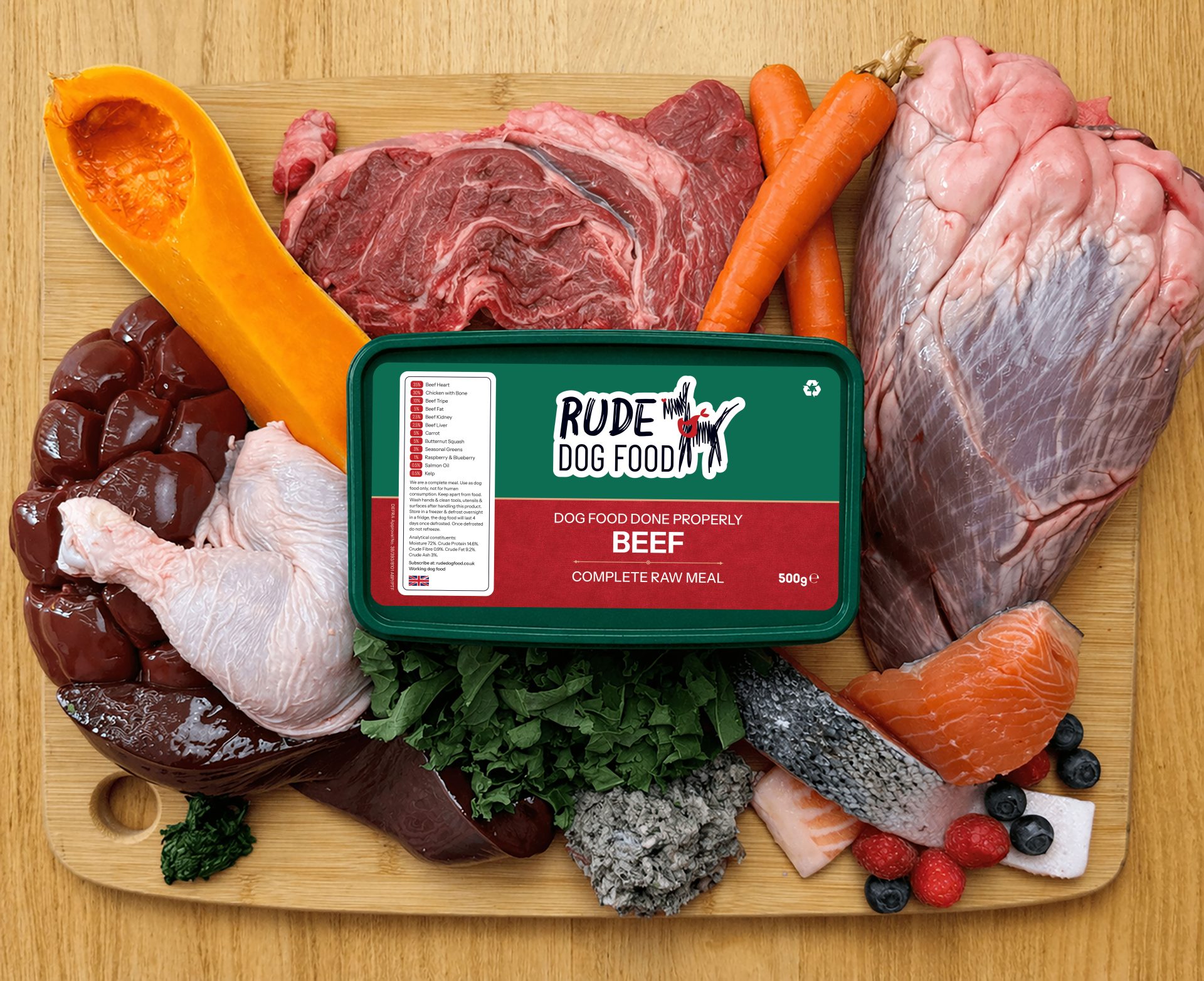
The exact ratios matter, which is why balance is so important. Feeding only meat, or only bone, is not raw feeding done right. Dogs need variety and correct proportions to thrive. This is why many owners choose complete raw meals that are already formulated to meet a dog’s nutritional needs, rather than trying to calculate everything themselves.
It is also important to set expectations. Raw feeding is not about perfection or extremes. It does not necessarily mean feeding whole carcasses in the garden or handling food in unsafe ways. Modern raw feeding combines biological common sense with proper food hygiene and sourcing. Meals are prepared, stored and handled with the same care you would give to fresh food in your own kitchen.
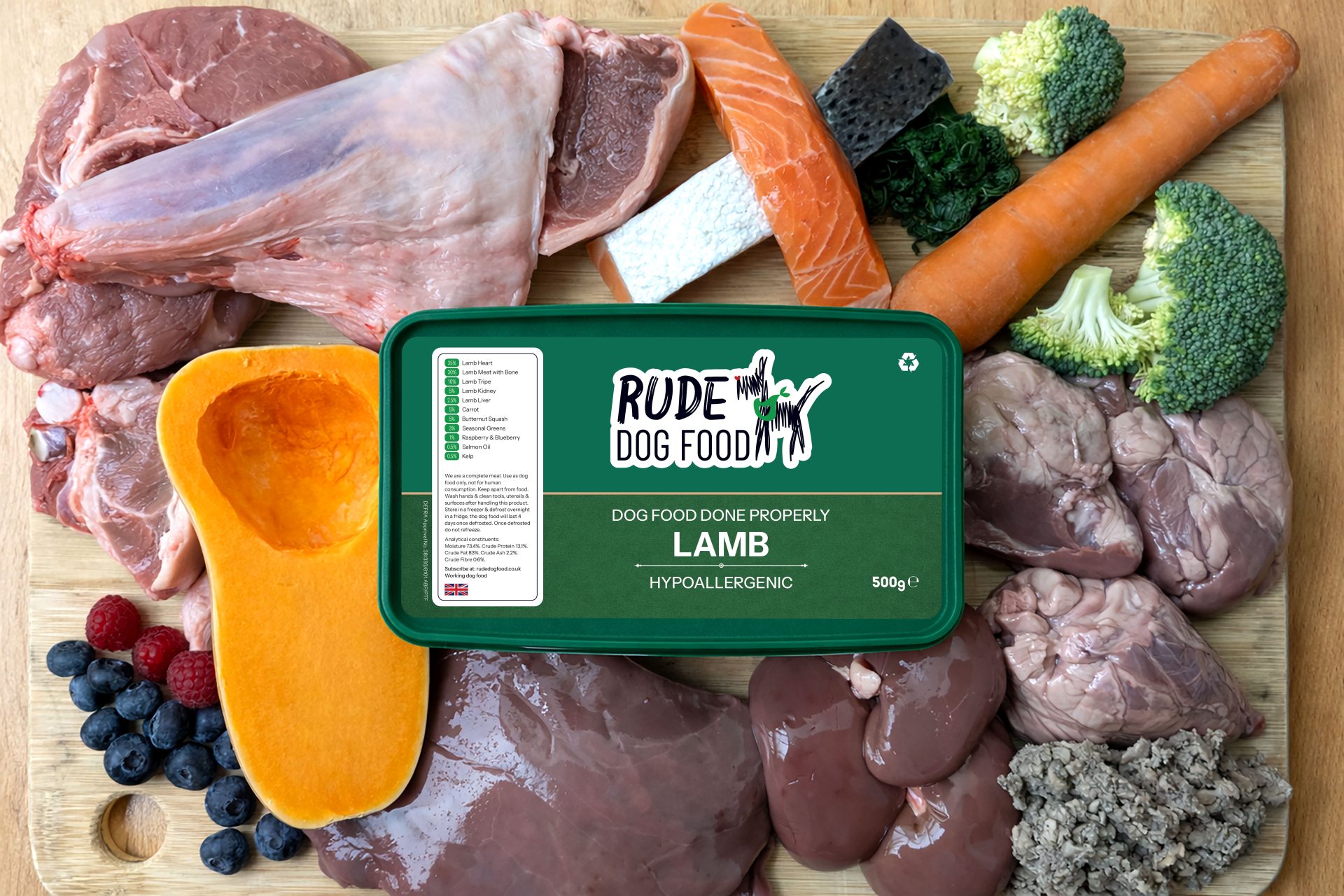
If you want to understand what a properly balanced bowl actually looks like, it helps to see it visually, especially when you are new to raw feeding. Likewise, organ meats deserve special attention. They are often misunderstood, yet they play a critical role in a dog’s long-term health.
When raw feeding is approached with the right knowledge and balance, it becomes one of the simplest and most natural ways to support a dog’s health from the inside out.
A dog’s digestive system is built to handle fresh, animal-based food. Raw diets are naturally easier for dogs to break down because they contain fewer fillers and no heavily processed ingredients. This supports a healthier gut environment, where beneficial bacteria can flourish and digestion runs more efficiently while developing a healthy gut microbiome.
A biodiverse gut microbiome is essential for your dog’s digestion, immune function, and even their mood. Feeding your dog a natural diet packed with high-quality ingredients helps develop and maintain this gut biodiversity, especially when started early in life. A healthier gut also leads to higher dopamine production, the “feel-good” chemical that directly impacts your dog’s happiness. Simply put, a happy gut equals a happy dog. You will even see proof of a healthier gut in healthy firm stools.
When dogs are fed food their bodies can easily recognise and use, the difference often shows quickly. A raw diet provides readily available protein and fats that support steady energy levels, rather than the peaks and crashes that can come with highly processed food. Over time, this can translate into better stamina, improved muscle tone and a more relaxed temperament. Skin and coat health often improve too, with many dogs developing a glossier coat and healthier skin as their diet delivers the fats and nutrients their bodies actually need.
Chewing is a natural part of how dogs care for their teeth. Raw feeding often includes textures that encourage natural chewing, which helps reduce plaque build-up and supports healthier gums. Unlike soft, processed foods that stick to teeth, raw meals are less likely to contribute to ongoing dental issues. While no diet replaces proper dental care entirely, many dogs fed a raw diet show fresher breath and better teeth as part of the bigger picture.
A dog’s immune system depends on consistent access to high-quality nutrients. Raw feeding delivers vitamins, minerals and amino acids in a form the body can readily absorb and use. This supports your dog’s immune system, recovery and overall long-term health. Over time, feeding a natural diet can help dogs maintain a healthier body condition and cope better with the demands of daily life, from activity and aging to environmental stress. It is not about quick fixes, but about giving the body the tools it needs to function as it was designed to.
Safety is usually the first concern people have when they hear the words raw dog food, and it is a fair question to ask. The idea of uncooked meat naturally makes humans think about bacteria and food safety. The key thing to understand is that dogs are not small humans, and their digestive systems are designed very differently to ours.
Dogs have a much shorter and more acidic digestive tract than humans. This highly acidic environment helps them break down raw food efficiently and reduces the likelihood of harmful bacteria surviving long enough to cause problems. It is one of the reasons dogs have been able to eat raw prey and fresh meat safely for thousands of years. Research into canine digestion and microbiomes supports this difference, showing that dogs are well equipped to handle naturally occurring bacteria in raw food when meals are properly balanced and handled with basic hygiene.
That said, safe raw feeding is not about ignoring common sense. Just like preparing fresh food at home, it comes down to sourcing quality ingredients, storing food correctly, and maintaining good hygiene. Washing hands, cleaning surfaces, and keeping raw food frozen until use are simple steps that dramatically reduce risk. These are the same precautions used in households that prepare fresh meat every day.
It is also worth separating risk from perception. When raw feeding is done correctly, issues are rare, and millions of dogs around the world eat raw diets without incident. For owners who want to explore the evidence in more depth, there is published research examining bacterial exposure and health outcomes in raw feeding households, which helps put these concerns into context.
If you are looking for practical guidance on handling raw food safely at home, or want a deeper breakdown of common myths around bacteria and raw feeding, this is something we have covered in more detail. With the right knowledge and a calm, sensible approach, raw feeding is both safe and straightforward.

Raw feeding can work for dogs at every stage of life, but how it is approached should always reflect the individual dog in front of you. Age, activity level and overall health all play a role in shaping what a balanced raw diet looks like.
Puppies have very specific nutritional needs because they are growing rapidly. When done properly, raw feeding for puppies can support steady growth, strong bones and healthy development. Balance is especially important at this stage, as puppies need the right levels of calcium, phosphorus, protein and energy to grow without placing unnecessary strain on their joints or digestive system. A well-formulated raw diet removes the guesswork and provides consistency during these critical early months.
There have been numerous studies on puppies and raw food, read here how a raw diet can significantly reduce the likelihood of allergies later in life, and how a raw diet can reduce the prevalence of Inflammatory Bowel Disease later in life.
Adult dogs thrive on raw feeding because their bodies are well suited to digesting animal-based food. Many owners notice improved digestion, more stable energy levels and better body condition once raw feeding is established. For healthy adult dogs, raw feeding is often about maintenance and optimisation rather than correction, supporting everyday wellbeing through a diet that aligns with their biology.
Senior dogs can also benefit from raw feeding, particularly as a species-appropriate diet helps weight management, support ageing joints, muscle maintenance and digestion. As dogs get older, nutrient absorption can become less efficient, making food quality increasingly important. A natural, balanced diet can help support comfort, mobility and quality of life in later years.
Activity level matters too. Highly active and working dogs typically need more energy and protein to support recovery and performance, while less active dogs may require smaller portions to maintain a healthy weight. Raw feeding is flexible, which makes it easier to adjust meals to suit a dog’s lifestyle rather than forcing every dog into the same nutritional mould.
One of the clearest differences between raw feeding and hyper-processed dog food lies in how the food is made. Processed foods are typically cooked at very high temperatures, often multiple times, to extend shelf life and create a uniform product. While this makes storage and transport easier, it can also alter the natural structure of proteins and reduce the availability of certain nutrients. Raw feeding, by contrast, relies on minimal processing, keeping ingredients much closer to their natural state.
Digestibility is closely linked to this level of processing. Dogs are designed to digest animal-based food efficiently, but heavily processed ingredients can be harder for the body to recognise and break down. This can place extra strain on the digestive system and result in larger stools, inconsistent digestion or sensitivities over time. A raw diet provides nutrients in a form that is easier for dogs to digest and absorb, allowing the body to make better use of what is being fed.
Moisture content is another important consideration that is often overlooked. Raw food naturally contains a high level of moisture, which supports hydration and helps food move smoothly through the digestive system. Many processed foods are very low in moisture, meaning dogs rely more heavily on drinking water to compensate. For some dogs, especially those that do not drink enough on their own, this imbalance can affect digestion and urinary health.
Finally, there is ingredient transparency. Raw feeding typically involves clear, recognisable ingredients that are easy for owners to understand. You can see what is going into the bowl and make informed decisions about quality and sourcing. Processed foods often rely on complex formulations and ingredient lists that can be difficult to interpret. For many owners, raw feeding offers reassurance through simplicity and clarity, rather than relying on heavily engineered recipes.

Starting raw feeding does not need to feel overwhelming. For most dogs, the key is a calm, considered transition rather than a sudden overhaul driven by perfection. The goal is to help your dog’s digestive system adjust comfortably while building confidence in the process.
A transition to raw food is usually approached in one of two ways: a gradual change or a more direct switch. Some dogs adapt quickly, while others benefit from a slower introduction. Factors like age, current diet and digestive sensitivity all play a role. At this stage, it is less about following rigid rules and more about paying attention to how your dog responds. Loose stools, for example, can be a sign to slow things down, while stable digestion is a good indicator that the transition is going well.
When getting started, it’s important to choose high-quality ingredients and meals that are carefully balanced with the correct proportions of meat, bone, organs and vegetables. This ensures your dog receives everything they need nutritionally, without leaving room for guesswork.
Raw feeding is simple, and it works best when you give it time. Dogs will adapt naturally, and it is normal for them to take a little while to adjust. Some dogs may be unsure about new proteins at first, and the occasional loose stool can happen during the early stages. This does not mean raw feeding is not working. What matters is staying consistent and allowing your dog’s body to adapt to a more natural way of eating over some time. When the overall diet is balanced and fed consistently, most dogs settle quickly and go on to thrive. If you raw feed for a month you will certainly see vast improvements in your dogs health and happiness, you must persist.
For a more detailed, step-by-step guide on transitioning to raw feeding safely and confidently, there is a dedicated resource that explores this process in depth. Taking the time to follow a structured approach can make the move to raw feeding smoother for both you and your dog.
Yes, puppies can absolutely eat raw dog food when it is properly balanced for growth. All Rude Dog Food blends are formulated to be suitable for puppies, providing the correct proportions of nutrients to support healthy development. Our puppy blend is a great addition a couple of times a week, offering extra support through natural superfoods like turmeric and ginger. A consistent, balanced raw diet is what matters most.
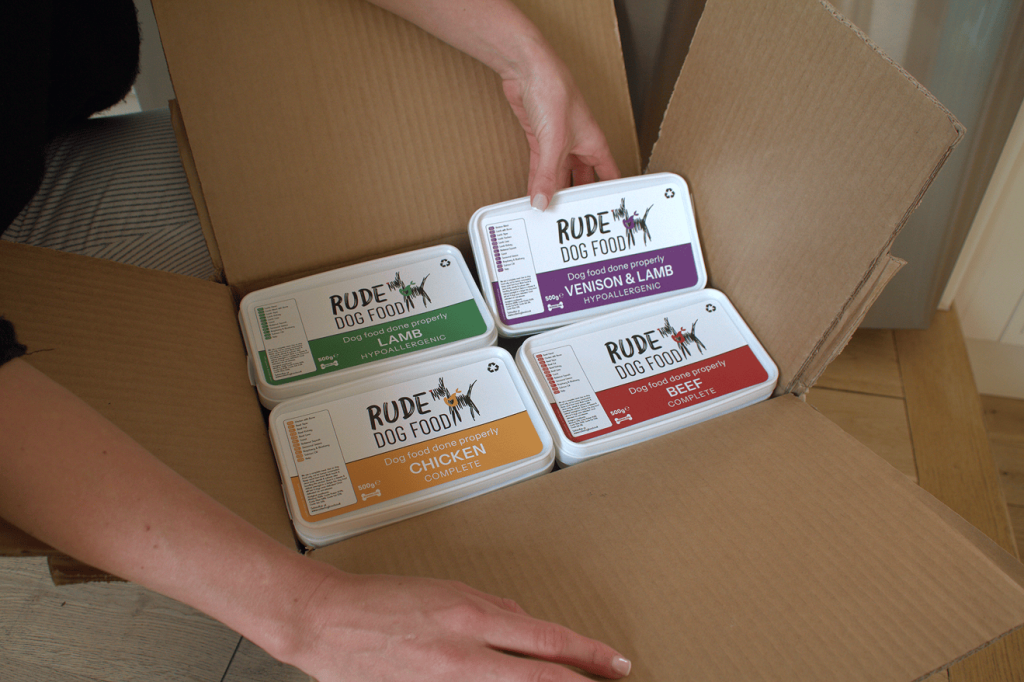
Raw dog food can help many dogs with food-related allergies by stripping the diet back to simple, clearly identifiable ingredients. By avoiding heavily processed foods, artificial additives and unnecessary fillers, raw feeding makes it easier to reduce the triggers that commonly cause reactions. This is one of the reasons we created our hypoallergenic blends, including lamb and lamb & venison, which are designed to avoid the most common allergens seen in dogs. Using limited, novel proteins alongside a balanced raw diet can help support digestion, reduce inflammation and give sensitive dogs a chance to enjoy a real diet.
Yes. Rude Dog Food complete meals are absolutely complete diets and require no additions or supplements. Each complete meal is carefully formulated with the correct proportions of meat, bone, organs and vegetables to meet your dog’s nutritional needs in full. There’s no need to add powders, oils or extras. Just defrost, serve, and repeat. We designed our complete meals to remove guesswork and make feeding raw simple, consistent and nutritionally sound, every single time.
It’s normal for a dog’s stools to change when first switching to a raw diet. Some dogs may experience looser stools during the early stages as their digestive system adapts to a more natural way of eating. This usually settles quickly as the gut adjusts and digestion becomes more efficient.
Over time, most dogs fed a balanced raw diet produce smaller, firmer stools. This is a good sign, not a problem. Firmer stools are important because they help a dog naturally express their anal glands when they go to the toilet. This process relies on gentle pressure from the stool passing through, which is why dogs on highly processed diets can sometimes struggle with anal gland issues.
It’s also important not to confuse firm stools with constipation. On a raw diet, stools are often well-formed and compact because the body is using more of the food and producing less waste. Firm stools are completely normal and usually indicate that the diet is being digested properly.

 Your Cart