As much as we love our dogs, nobody enjoys getting a face full of bad breath. The good news? Stinky dog breath and poor oral health aren’t just something you have to put up with. They’re a sign that something’s off, and with the right diet, you can fix it. Give your dog real, fresh food, and you can say goodbye to terrible breath and all of the health problems that come along with it.
The Dry Food Myth
When it comes to dog dental health, the numbers are pretty alarming. Around 80% of dogs will suffer from gum disease before they even hit their third birthday. And to top it off, dogs are five times more likely to develop gum disease than we are. It’s not because their teeth or mouths are built differently. It’s because of what we put in their bowls and the myths we’ve been sold about what “healthy dog food” actually looks like.
For years, big dog food brands have been pushing the idea that dry kibble is good for your dog’s teeth. You’ve probably heard it, something about the chewing action helping to scrape off plaque and keep teeth clean.
But let’s be honest, that claim falls apart the second you actually think about it. Eating a bowl of biscuits or crunching through a few crackers doesn’t clean our teeth, does it? In fact, it usually leaves sticky, sugary residue behind. Kibble works the same way. It’s packed with carbohydrates that stick to your dog’s teeth, feeding bacteria and leading to plaque buildup, gum disease, and bad breath.
The real issue here isn’t just the marketing myth. It’s that too many owners are left thinking that feeding dry food is helping their dog’s oral health, when in reality, it’s quietly causing long-term problems. Problems that end up costing a fortune at the vet and putting your dog through avoidable dental treatments.
The truth is simple. Fresh, natural, species-appropriate food supports dental health. Real food leaves less residue, encourages proper chewing and saliva production, and doesn’t turn into sticky mush stuck between their teeth. If you really want cleaner teeth and fresher breath for your dog, it starts with what you feed them, not with a bag of processed brown pellets.
What Evolution Tells Us About Your Dog's Teeth
Let’s take a quick look at nature. Your dog’s pearly whites aren’t much different from those of their wild ancestors, the wolves. Their teeth evolved to do one thing really well: catch, tear, and shear meat. Not, grind or munch on dry, ultra-processed biscuits. Their jaws are actually designed for ripping through fresh prey, not for nibbling away at little brown pellets.
When you think about it like that, it’s obvious that a diet based around dry food goes against what their bodies are built for. It’s no wonder so many dogs end up with dental problems. Their teeth simply aren’t getting used the way nature intended.
Now that we understand how their teeth evolved to match a raw, natural diet, let’s dive a bit deeper into why kibble is often the hidden cause behind bad breath, plaque buildup, and serious oral health issues.
Bad Breath Is Just the Surface Level Problem
When you think about kibble, what comes to mind? Probably something convenient, ultra-processed, and packaged neatly into little dried biscuits that can sit on a shelf for months, if not years. It might be easy for us, but it’s not doing our dogs any favours.
When your dog crunches down on those biscuits, a starchy residue is left behind on their teeth. That sticky build-up creates the perfect breeding ground for bacteria in the mouth and plaque buildup. No wonder your dog’s breath doesn’t exactly smell like roses. And unfortunately, bad breath is just the start of the problem.
If that plaque isn’t dealt with properly, it starts causing serious damage below the gum line. We’re talking tooth decay, painful gum disease, infections, and even tooth loss. These dental issues often end up needing expensive treatments like deep dental cleanings or even full tooth extractions.
Not only do these procedures hit your wallet hard, but they’re also stressful and uncomfortable for your dog. Because let’s be honest, nobody likes a trip to the hospital, and your dog definitely feels the same way about a visit to the vet.
Why Raw Feeding Is the Real Solution
After a professional dental clean at the vet, it’s easy to think your dog’s dental problems are all sorted. But here’s the thing. If you don’t change what’s going into their bowl, the same issues are just going to come back again and again.
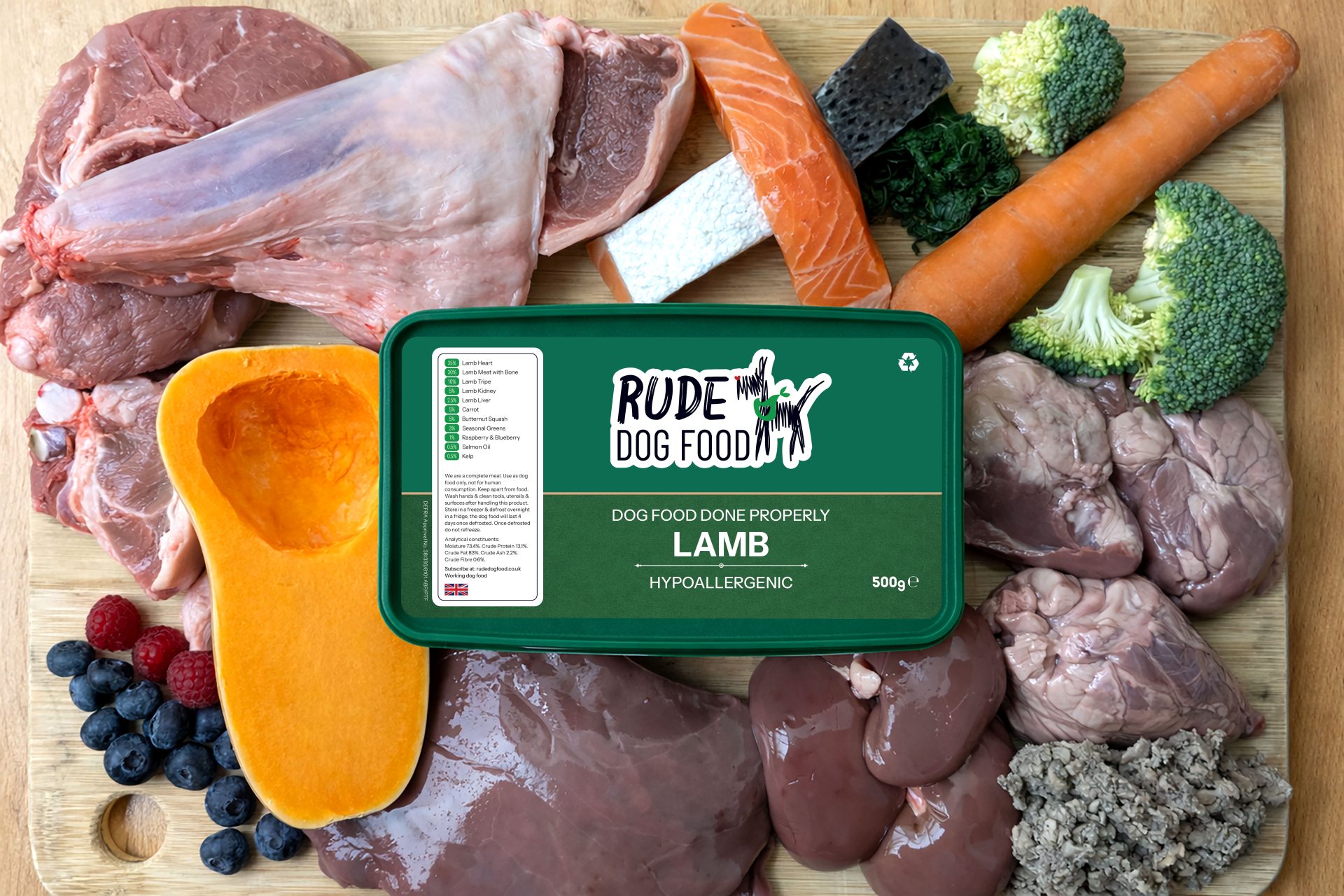
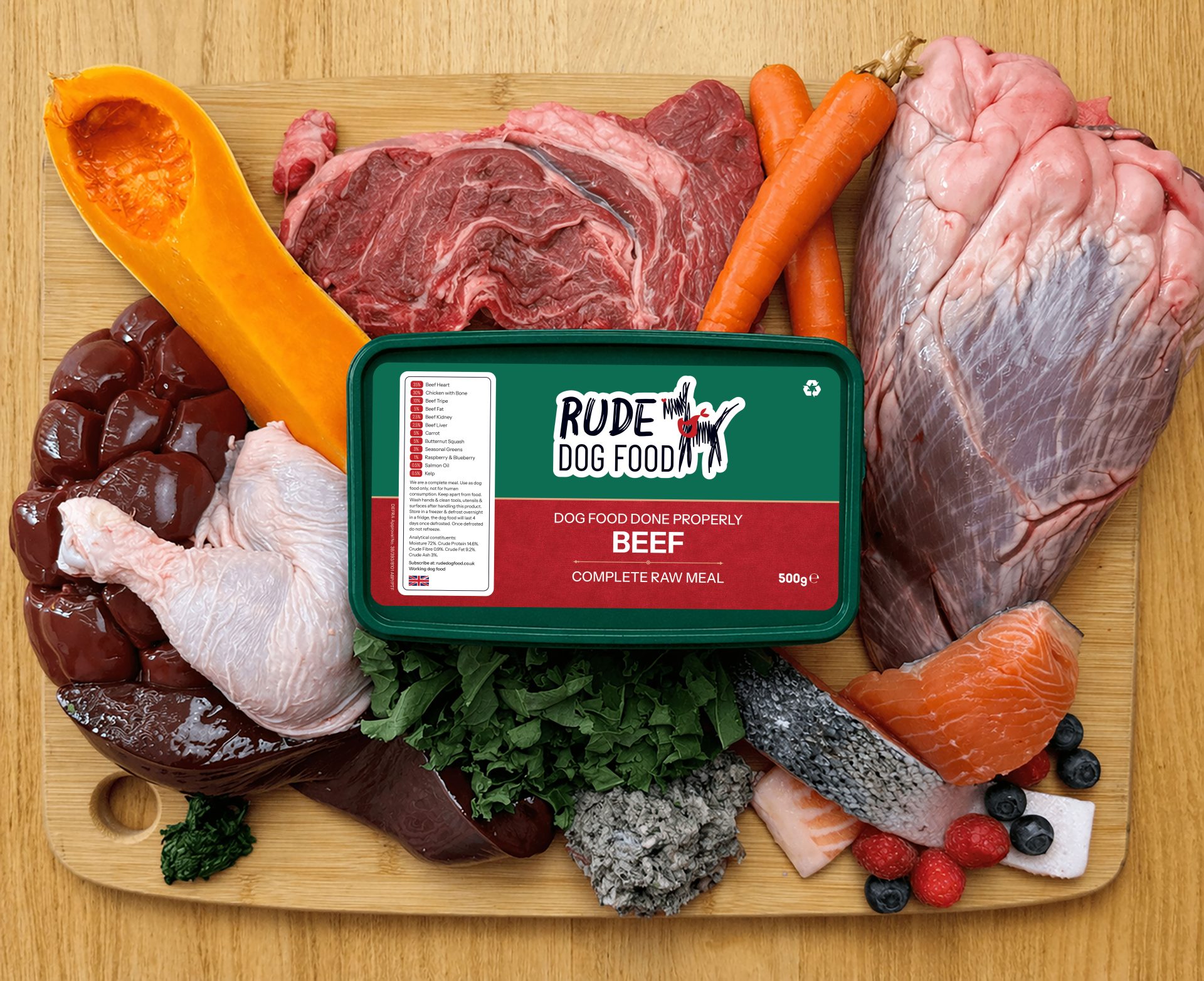
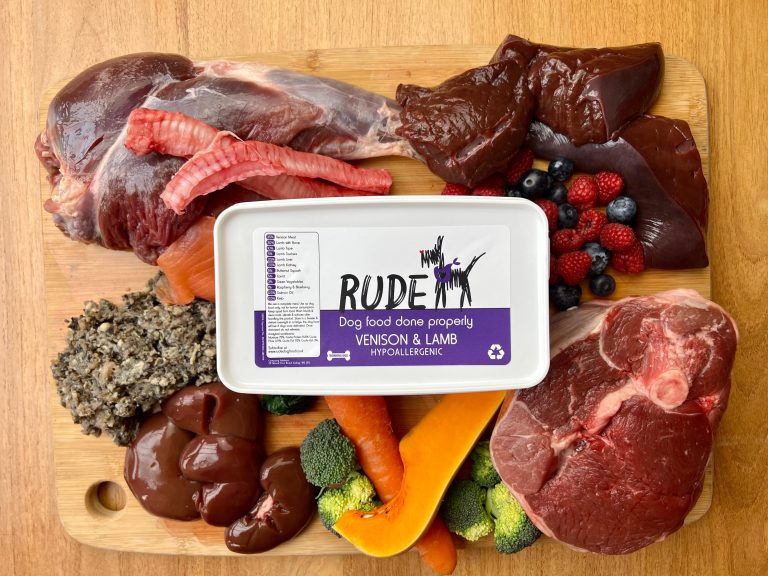
Unlike kibble, a raw diet is made up of fresh meat, raw bones, and small amounts of fruits and vegetables, mimicking what dogs are naturally built to eat. One of the biggest differences is that raw meals are naturally much lower in carbohydrates. That means no sticky sugars clinging to the teeth, no easy meal for the bad bacteria, and a lot less chance of plaque forming in the first place.
Raw food also contains natural enzymes found in fresh meat that help protect your dog’s health. These enzymes support healthy digestion, creating a knock-on effect for fresher breath, a stronger immune system, and an all-around healthier dog.
Feeding raw isn’t just about avoiding problems. It’s about setting your dog up to thrive, from their teeth right down to their tail.
The Bottom Line
Sure, kibble might seem like the easier option at first glance. It’s convenient, it’s everywhere, and it’s been marketed as “complete and balanced” for decades. But when you look at the long-term health consequences, you discover that there’s only one real choice for dog owners that care for their dogs’ health.
A properly balanced raw diet not only helps keep your dog’s teeth cleaner and their breath fresher, it supports their entire body. From healthier joints to better digestion, stronger immune systems to more energy in their senior years, the benefits of raw feeding go way beyond what’s happening in their mouth.
Ready to ditch the myths and do what’s actually best for your dog?
Join the family
Lorem ipsum dolor sit amet consectetur. Suscipit ultricies nibh aliquam feugiat pharetra scelerisque pharetra nunc quis.


 Your Cart