If you’ve read some of our other blog posts, you’ll already know about the visible health benefits of switching your dog to a raw food diet. We’ve covered everything from improved dental health to more balanced energy levels and even a reduction in allergy symptoms. But today, we’re diving into something a little less glamorous but equally important.
Discussing poo is not exactly a dinner table conversation, but it matters more than you might think. Your dog’s stool can tell you a lot about what’s going on inside their body. It’s a daily clue about how well your dog is digesting their food, absorbing nutrients, and whether their diet is really working for them.
What Unhealthy Stools Look Like
Picking up our dog’s poo is probably one of the least enjoyable aspects of being a dog parent. Still, you might be surprised to learn that your dog’s poos shouldn’t have an overly strong smell. In fact, they shouldn’t smell much at all, and they definitely shouldn’t be runny or overly soft.
If your dog is producing large, smelly poos that are difficult to pick up, that’s a clear sign they’re not digesting their food efficiently. The issue likely lies in what your dog’s diet is made of.
Have you ever found that poo is difficult to pick up in one go? It shouldn’t be overly soft or runny. If you’re dealing with messy poos that are hard to scoop and leave streaks behind, something likely isn’t right with what your dog is eating.
In addition to consistency, large, smelly poos are often a red flag that your dog isn’t digesting their food properly. And more often than not, the culprit is the food that your dog is eating. While convenient and shelf-stable, kibble is a highly processed product that doesn’t align with your dog’s natural dietary needs.
Why What Goes In Matters
We all understand that what we eat affects how we feel and how our bodies function. The same goes for dogs. When your dog eats highly digestible, appropriate food, their digestive system runs smoothly. They feel better, absorb more nutrients, and produce smaller, firmer, less smelly poos. Sounds good, right? Let’s unpack why that happens.
Why Kibble Causes 'Bad' Poos
Let’s not sugar-coat it. Dogs’ digestive systems are simply not built to break down dry, carb-heavy pellets. Kibble was designed to be cheap, long-lasting, and easy to store. But those conveniences for humans come at a cost to our dogs.
Most kibble formulas are filled with ingredients like corn, wheat, soy, and unspecified meat meals. These components are low in nutritional value and hard for dogs to digest. That means more of the food your dog eats passes straight through their system, undigested, and comes out the other end as excessive waste.
The fillers and additives in kibble serve no real purpose nutritionally. In fact, many of the common grain ingredients are known allergens. For dogs with sensitive stomachs, this can lead to inflammation, bloating, and even chronic diarrhoea. That’s a lot of discomfort for them, and a lot of unpleasant clean-up for you.
How Safe Is Raw Food for Dogs?
Before dry kibble took over supermarket shelves, dogs were fed exactly what their bodies were built for: raw meat. It’s easy to forget that dogs, like their wild ancestors, are natural carnivores. In the wild, no animal is cooking its dinner. Wolves, foxes, and even feral dogs all survive and thrive on raw prey.
A dog’s digestive system is perfectly designed to handle raw food. Their stomach acid is highly concentrated, allowing them to break down raw meat and bone efficiently whilst also neutralising harmful bacteria that could make humans sick. That said, safe feeding still requires proper handling, just like with any fresh meat in your own kitchen.
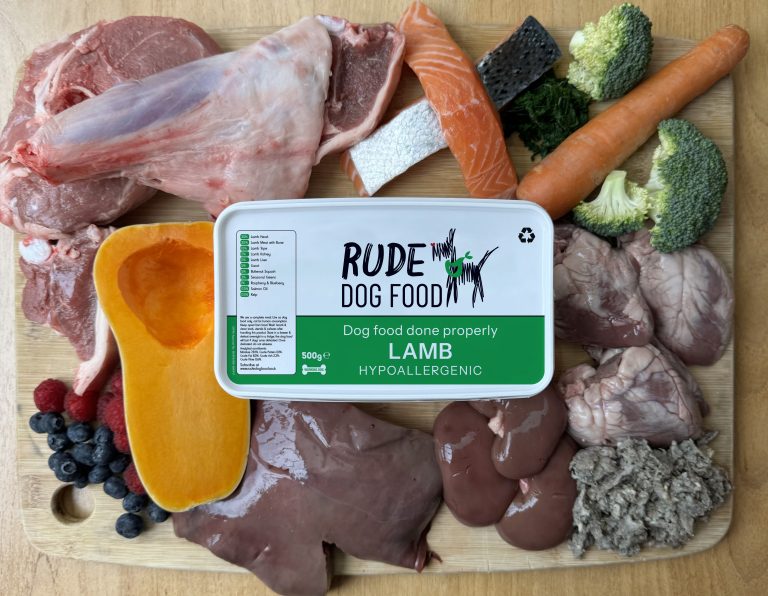
At Rude Dog Food, we freeze our meals at the peak of freshness and pack them in liquid-tight containers to lock in nutrients and prevent contamination. This ensures that the food arriving at your door is just as fresh as the day it was made.
Once your order arrives, it’s simple: store it in the freezer, and when you’re ready to serve, defrost it in the fridge just like you would with your own food. A little care goes a long way, and your dog will thank you with better digestion, more energy, and a cleaner bowl every time.
What Your Dog's Poos Should Really Look Like
So what should you expect from your dog’s poo when they’re eating a raw, species-appropriate diet?
For starters, raw-fed dogs typically produce much smaller and firmer stools. That’s because their bodies are actually using what they eat. With more of the food being absorbed, there’s simply less to eliminate. The poos are compact, easy to pick up, and leave little to no residue behind.
Another thing you’ll notice is a reduction in smell. When a dog is digesting food efficiently, the waste doesn’t carry that overpowering, nose-wrinkling odour. Instead, it’s surprisingly mild. Some raw feeders even describe it as almost neutral! Doesn’t that sound like a dream?
There’s also the consistency. Raw-fed poos tend to be firm, but also not too solid. That balance is due to the natural moisture content in raw meat and the fibre included in vegetables. Because raw food contains more water than dry kibble, it also helps your dog stay hydrated, which further supports healthy digestion and stool formation.
Even colour can tell you something. Ideally, your dog’s stools should be a rich, chocolate brown. Occasional changes in colour are normal; what you’re really watching for is consistency over time. If something seems off and stays that way, it’s worth keeping an eye on.
So if you’re tired of bagging up loose, stinky messes and wondering if your dog is really getting what they need from their bowl, it might be time to consider a change. Raw feeding isn’t just about trendy ingredients or fancy photos. It’s about giving your dog what they were built to eat, and seeing the difference, quite literally, in every poo.