Close-up photo of a black pub

If you search “do vets recommend feeding dogs a raw food diet?” on Google, you’ll quickly find that some are for it and some are against it. Concerns about the safety of raw feeding often come up, but let’s break down exactly why those fears may not be as valid as they seem. In fact, one surprising reason why many vets don’t recommend raw dog food might just shock you.

Back to Evolution

“‘If raw meat and raw bones were bad for dogs, then there would be no wolves or foxes, they would have died out millions of years ago.”

 (Dr Nick Thompson BSc (Vet Sci) BVM&S VetMFHom MRCVS)

At Rude Dog Food, we follow one key principle, and that is that dogs should be fed a species-appropriate diet. What we mean by this, is that dogs should be fed a diet which mirrors what their wild ancestors, wild dogs, wolves and foxes, would eat in the wild. Wolves catch their prey and eat the meat and bones of the prey, they would also be ingesting the vegetation eaten by the prey. 

With this in mind, we understand that dogs are natural carnivores. And what do carnivores need to not only survive, but live long, healthy lives? High-quality, protein-rich food.

What Are The Raw-feeding Concerns

We’re not here to try and pretend that there aren’t controversies out there regarding raw feeding. Instead, we want to address them at face value and hopefully, provide you with the reassurance needed. 

The most common concern surrounding feeding dogs a raw food diet, is the fear around bacterial born diseases. particularly from pathogens like Salmonella and E. coli. Some vets worry that handling raw meat might increase the risk of bacterial transmission to both pets and humans.

That being said, while we understand the fear that you as your dog’s parent might have, here’s something to consider: do you worry about catching Salmonella when preparing raw chicken for dinner? Probably not, because you know how to handle raw meat safely.

The same applies when feeding your dog a raw diet. As long as you follow proper food hygiene, storing, defrosting, and handling meat correctly, you and your dog will remain safe and healthy. 

Lastly, some people have concerns over the risks of feeding bones. At Rude, we include bone to all of our meals as it is the most natural source of calcium. Again, going back to the principle of a species-appropriate diet, wild dogs eat the bones of their prey. However, all of our ingredients are put through a mincer with a 10mm grinder, so that the bones are finely broken down and perfectly safe to be eaten by both adult dogs and puppies.

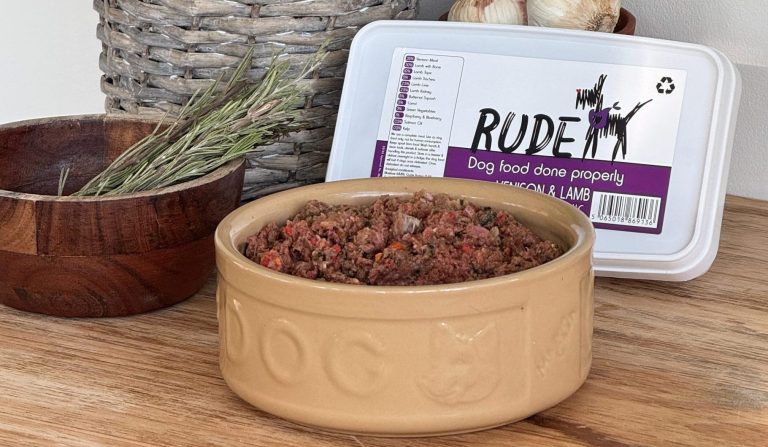
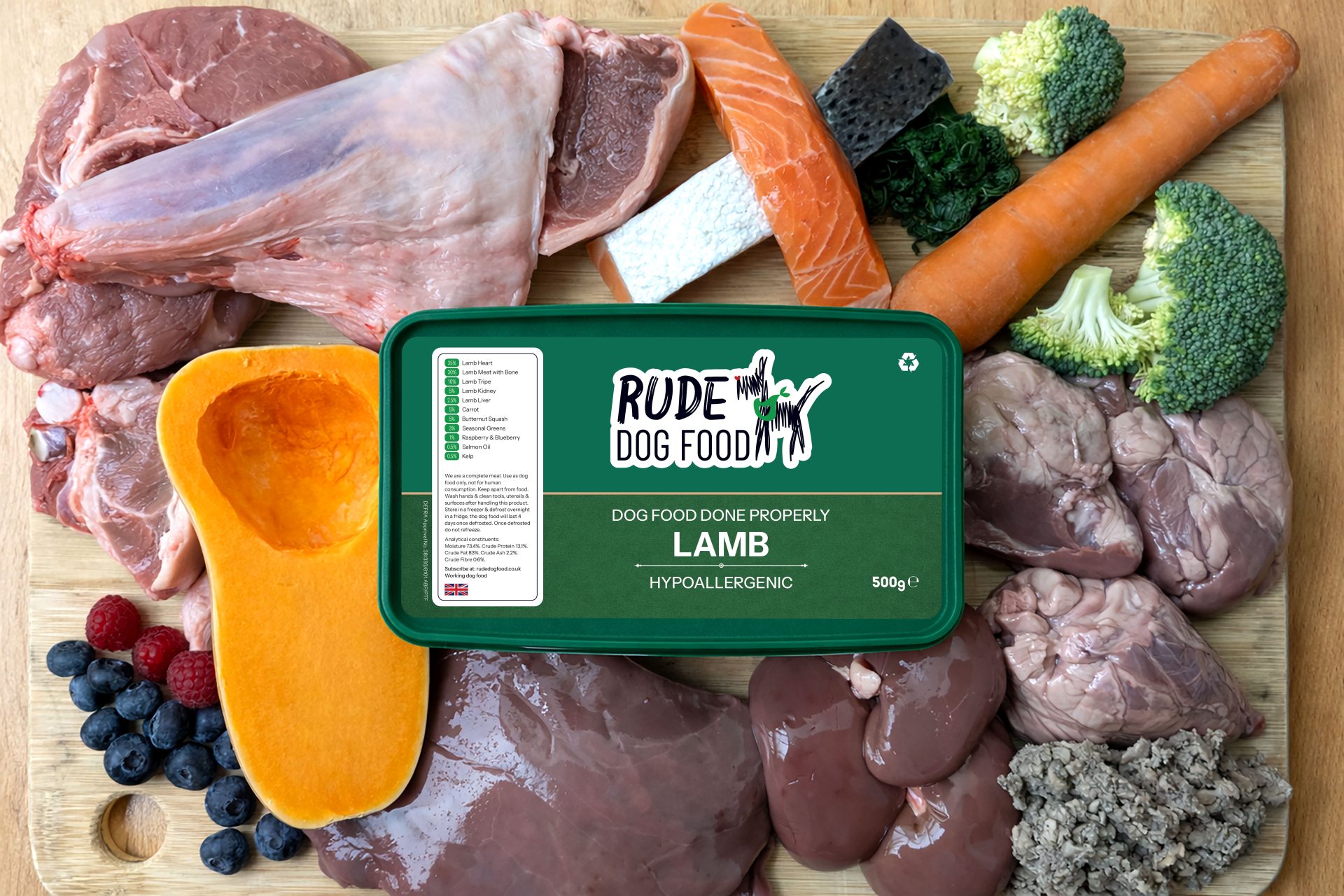
packaging and bowl filled with Rude Dog Food, Hypoallergenic raw lamb, and venison

Why Raw Feeding Is Safe For Dogs

Of course, neither you nor I would entertain eating raw meat. Our stomachs are not designed to digest it, but dogs’ stomachs are. Dogs’ stomachs are highly acidic and have evolved to best digest raw, unprocessed, uncooked food.

Secondly, when vets are voicing concerns regarding the risk of food-borne diseases, this is also more relevant to sourcing and preparing raw food at home. 

Through purchasing raw meals from a replicable raw dog food supplier, like Rude Dog Food, all our meals are made with high-quality, ethically sourced meat and go through rigorous safety and quality control. When you trust us to feed your dog, you’re not just buying raw food, you’re investing in their health, safety, and happiness.

Commercial Dry Food and Veterinary Practices: The Reality

The truth is, a lot of vets are not widely taught about the positive impacts of raw food for dogs. Commercial dry and wet foods have been around for a long time however, and they have been fortified with the vitamins and minerals that dogs’ bodies require. 

When you take your dog to the vet because they’re having a health problem such as allergies for example, the vet will happily prescribe medications, or prescribe a specialist kibble. However, studies have shown that a natural, fresh, raw diet is usually the answer when it comes to food-related allergies. 

For a deeper explanation on how raw food helps with allergy symptoms, you can go to our article on Does Raw Dog Food Help with Allergies? What the Science and Experience Say. 

Finally, the reason that might be a surprise to you why some vets will only advise kibble because a few of the largest dry food suppliers invest and directly teach veterinary students about dog nutrition, leading to a bias in knowledge provided.

The Science

Thankfully however, the safety and benefits of raw feeding is becoming more widely understood and acknowledged by professionals in the dog food industry. 

This has been thanks to an increase in case studies highlighting the overwhelming benefits on longevity and health. One study comes from Thomas Sandberg, Certified Animals Nutritional Consultant, who’s written ‘What All Pet Owners Should Know!’ The article highlights staggering stats such as a raw food diet can decrease a dog’s risk of cancer by 95%. 

If you would still like to look further into how raw feeding can increase the health and life expectancy of your dog you can go to the Raw Feeding Veterinary Society. There, you’ll find further information on the evidence based practice and you can get in touch with a raw feeding professional.

Making the Switch

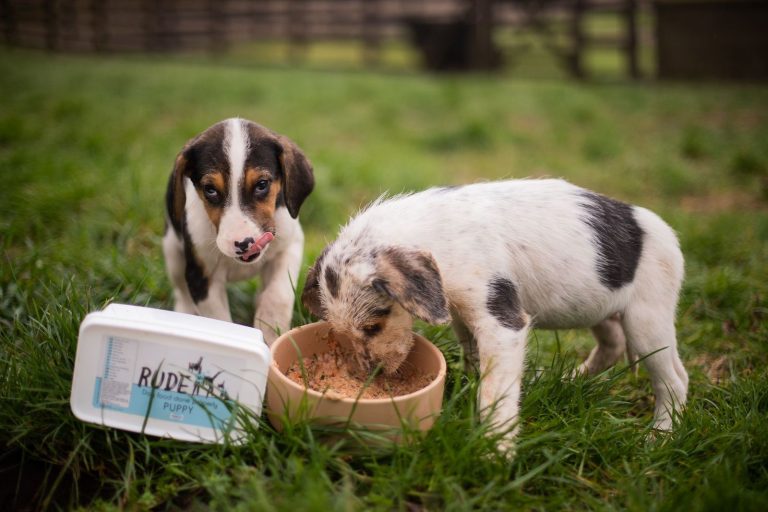
Two puppies eating bowl of Rude Dog Food raw puppy meal

Hopefully, you are beginning to feel more confident in the concept of feeding your dog a raw food diet. But how best should you change from a dry food over to raw? 


Well, if you have a pup who’s not had any noticeable stomach sensitivities, it is okay to go cold turkey and just change over. However, some of our customers feel more comfortable to transition more gently. This option is okay too, and is advised if your dog is more sensitive to some foods. Here is how we suggest gently switching to raw food: 


Day 1: 75% original food, 25% raw. 


Day 2: 50% original, 50% raw. 


Day 3:  25% original, 75%  raw. 


Day 4: 100% of the total amount of food your pup should be having a day, is made of raw food. 


For some dogs, changing from a kibble diet to raw diet is the same as someone who has been vegetarian all their life, suddenly now eating meat. The best indicator for how well your dog is tolerating the new diet is by monitoring their stools. 


Healthy stools from a raw fed diet should be small, easy to pick up, and not stomach churningly smelly, in comparison to the stools of a kibble fed dog. If your pup is having very loose stools at the beginning of the transition, this is expected, but you might want to slow down the transition. 


If you would like to get in contact with us regarding your dog and which of our meals might be the best for them, you are very welcome to contact us on Instagram or Facebook via @rudedogfood, or you can click on our ‘Contact us’ page, leave your name, email, and your question, and one of our friendly team will get back in touch shortly!

Create your box

10% off your subscription forever and a free bag of treats

KG

Join the family

Lorem ipsum dolor sit amet consectetur. Suscipit ultricies nibh aliquam feugiat pharetra scelerisque pharetra nunc quis.

Filter

Protein

Product Category
Shopping cart close