If you’re reading this, you’re probably wondering what’s best for your dog: raw food or kibble. You’ve likely heard arguments for both, but let’s be honest, one is real food, and the other is highly processed, artificially preserved, and designed for convenience rather than health.
The difference between raw feeding and kibble isn’t just about what you put in your dog’s bowl. It’s about long-term health, vitality, and giving your dog the nutrition they actually need.
So let’s get into it.
What's Actually in Kibble?
For decades, kibble has been marketed as “scientifically formulated” and “nutritionally complete.” But let’s call it what it is: a shelf-stable, ultra-processed food that prioritises convenience over nutrition.
Kibble is made using a process called extrusion, where ingredients are cooked at extreme temperatures. Any natural nutrition gets obliterated, so manufacturers spray the final product with synthetic vitamins and minerals to compensate.
So, what exactly are you feeding your dog when you pour a bowl of kibble?
- Meat meal and animal by-products, which could be anything from different types of meat to what’s detailed in the ingredients to slaughterhouse waste.
- Fillers like wheat, corn, soy, and legumes, which are cheap but utterly unnecessary for dogs.
- Artificial preservatives, because dry food needs to sit on a shelf for months or even years without spoiling.
- Synthetic nutrients, because the real ones were destroyed during processing.
Dry dog food isn’t formulated for optimal health; it’s designed to be cheap, convenient, and long-lasting.
But dogs have been eating kibble for years! So is there really a better way?
Yes, and your dog will be ecstatic that you’re here learning about it!
The Answer is a Raw Food Diet!
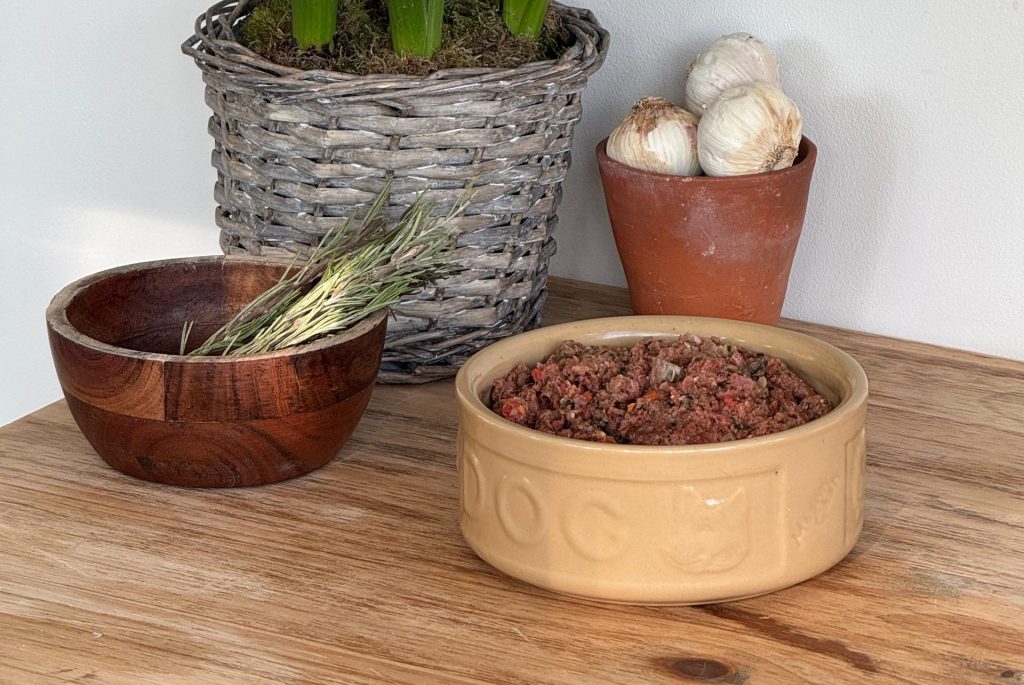
A raw diet is built around what dogs are biologically meant to eat. Instead of processed powders and artificial additives, raw food consists of fresh, natural ingredients that dogs can digest and utilise properly.
Raw food includes:
- Fresh, high-quality muscle meat for protein and energy
- Raw meaty bones for natural calcium and dental health
- Nutrient-rich organ meats like liver and kidney for essential vitamins and minerals
- A small amount of vegetation to mimic the plant matter dogs would naturally consume from prey
That’s it. No fillers. No artificial rubbish. Just food that fuels your dog the way nature intended.
Health Benefits of Raw vs. Kibble
Raw food doesn’t just sound better; it delivers real, visible health benefits.
The first thing you’ll notice after switching your dog to raw is better digestion. Kibble is loaded with carbohydrates that dogs don’t need, which can lead to bloating, gas, and loose stools. Raw food, on the other hand, is highly digestible, leading to smaller, firmer poos.
If you’ve never had the pleasure of picking up a compact, solid stool after years of dealing with soft, stinky messes, you’re in for a treat.
Raw-fed dogs have shinier coats and healthier skin. Kibble-fed dogs often suffer from dry, itchy skin and dull coats because their food lacks the natural fats and fresh nutrients needed for skin health. A raw diet is rich in omega fatty acids, leading to a glossy coat and far fewer skin issues.
One of the biggest myths in the pet food industry is that kibble cleans teeth. It doesn’t. In fact, kibble contributes to plaque buildup because of its high carbohydrate content. It’s no different from a human eating biscuits and claiming they’ve brushed their teeth. Raw food, on the other hand, leaves little residue, and chewing on raw bones naturally scrapes away plaque and tartar. Cleaner teeth, fresher breath, fewer dental problems.
Kibble-fed dogs are often prone to weight gain and sluggishness because of the excessive carbohydrate content. Raw-fed dogs tend to have leaner, more athletic builds and better energy levels. They get the protein and healthy fats they need to build muscle, maintain steady energy, and actually thrive rather than just survive.
There’s also the long-term health factor. Kibble-fed dogs are more likely to suffer from obesity, diabetes, arthritis, and even cancer, largely due to chronic inflammation caused by highly processed ingredients. A raw diet supports a strong immune system, reduces inflammation, and helps prevent chronic disease.
Common Myths About Raw Feeding (Debunked)
One of the most persistent myths is that raw food is dangerous because of bacteria. This idea comes from people who forget that dogs are built to eat raw meat. Their stomach acid is incredibly strong, designed to kill off harmful bacteria. As long as you store and handle raw food properly, the risk is no different from preparing fresh food for yourself.
Another misconception is that raw diets aren’t balanced. This is only true if you’re just throwing random cuts of meat in a bowl and calling it a day. A properly formulated raw diet includes the right balance of meat, bones, and organs, ensuring your dog gets all the nutrients they need.
Some people also think raw feeding is too expensive. While it can cost more upfront, many raw feeders find they save money in the long run because their dogs are healthier, require fewer vet visits, and aren’t constantly dealing with skin, digestion, or weight issues.
How to Transition Your Dog to Raw
Switching your dog to raw is simple, and there are two ways to do it.
If your dog has a strong stomach and eats anything in sight, you can do a cold turkey switch. One day they’re eating kibble, the next day they’re on raw, and most dogs adjust just fine.
If your dog has a more sensitive stomach, a gradual transition works better. Start by replacing 25% of their meal with raw food, then increase it every day by another 25% until they’re fully switched over. This allows their digestive system to adjust without any upset.
Either way, once your dog is entirely on raw, you’ll start noticing the benefits, potentially, within days. Certainly within weeks.
The Bottom Line: Raw Food Wins
When you compare what’s in kibble versus what’s in raw food, there’s no competition. Raw food is fresh, natural, and species-appropriate, while kibble is highly processed, carb-heavy, and full of artificial additives.
If you want a healthier gut, better teeth, shinier coat, and more energy for your dog, raw food is the clear winner. Your obligation as a dog owner isn’t just to ensure your dog has food, but that your dog has the right food.
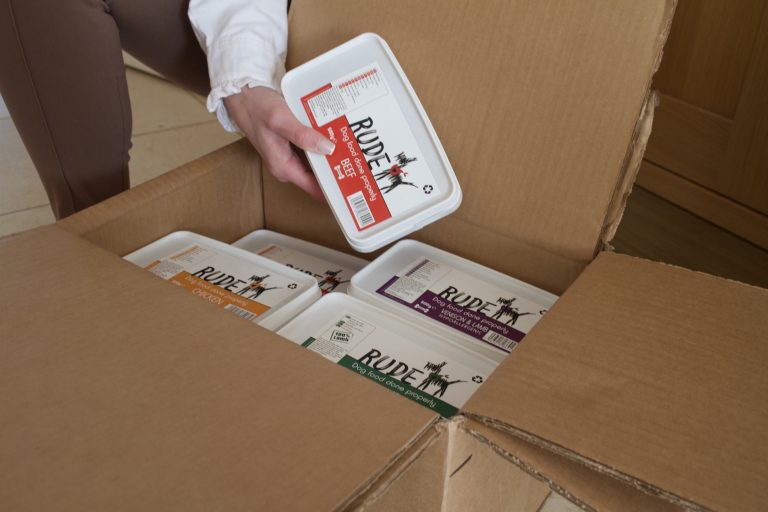
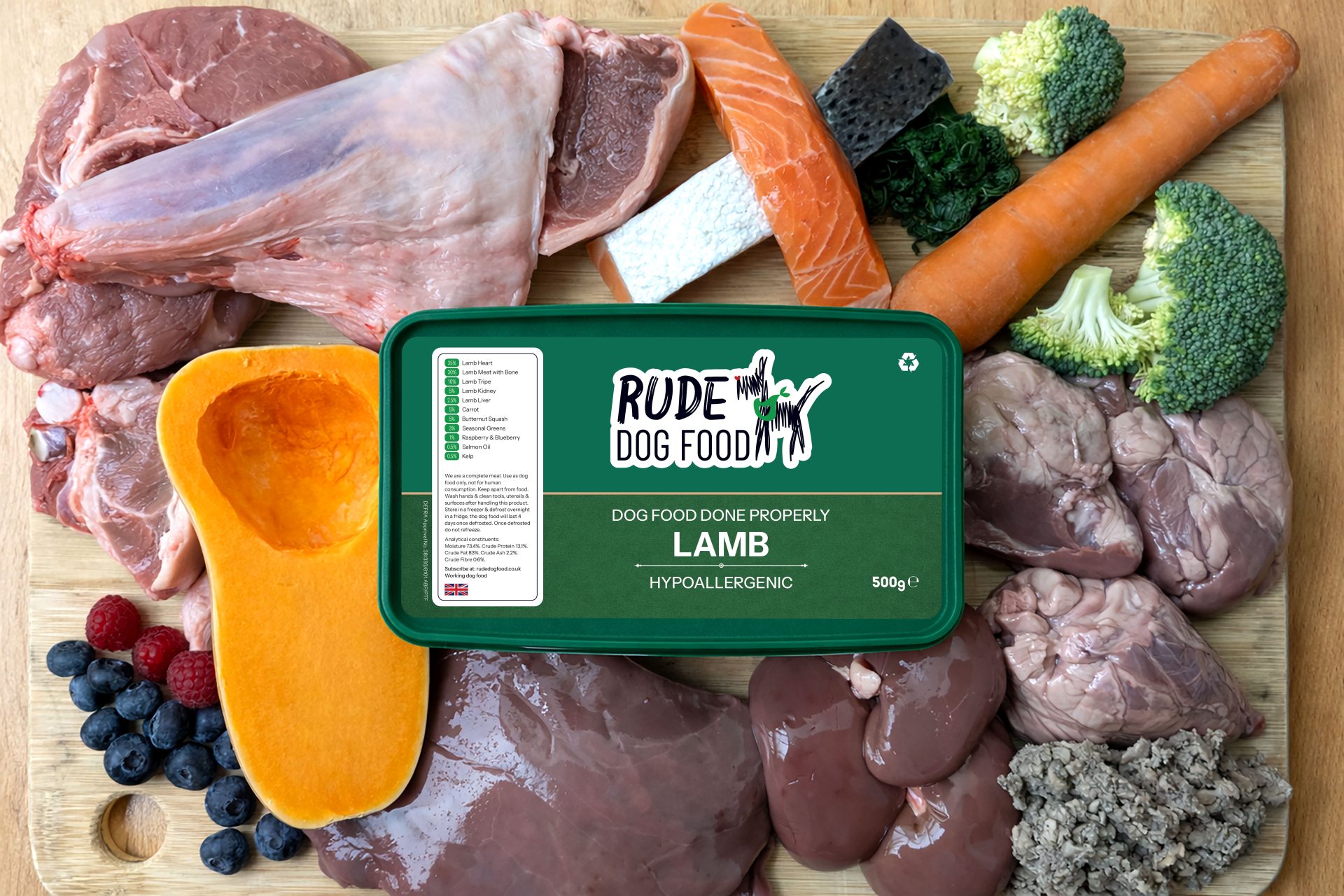
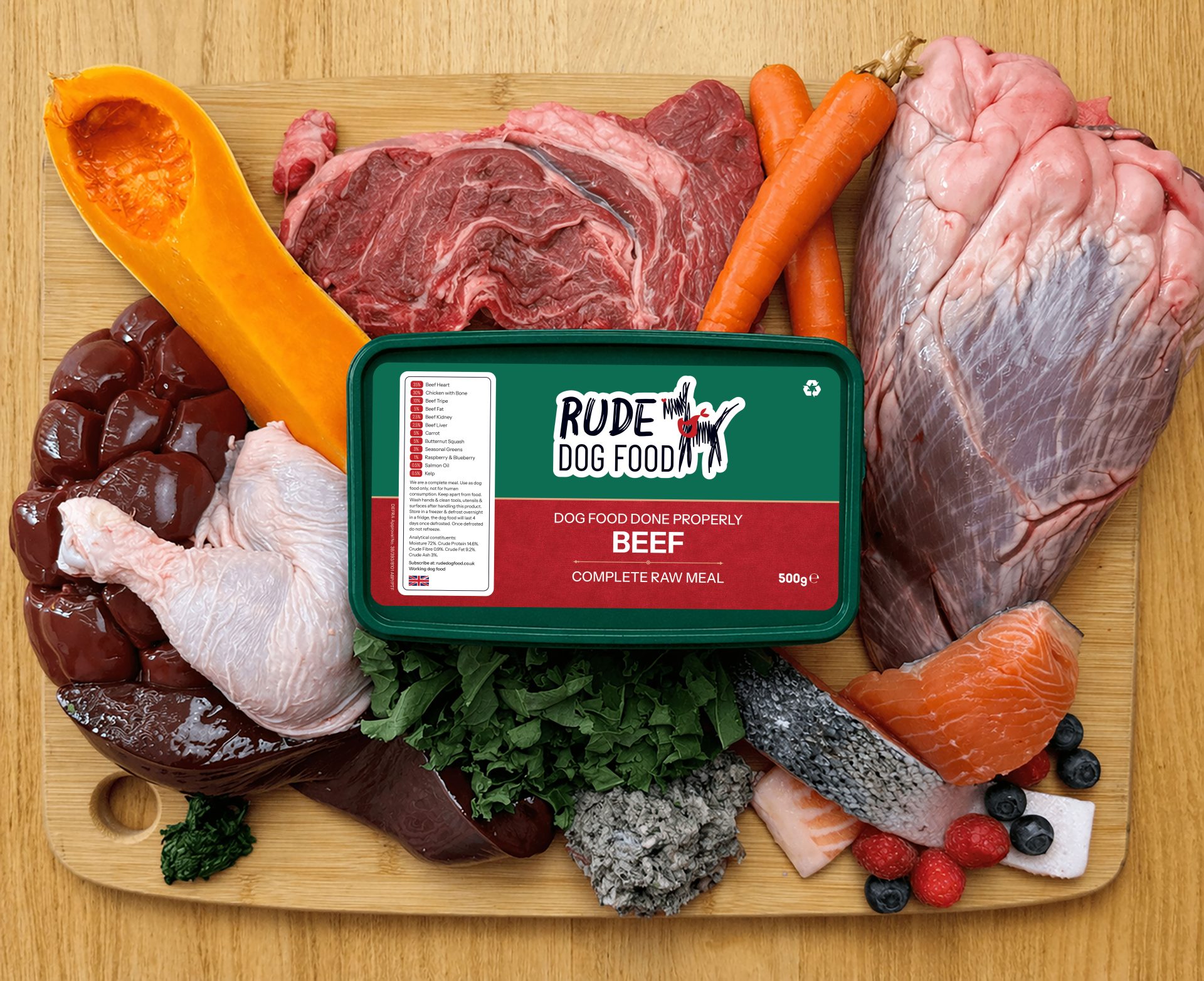
And if you’re ready to make the switch but don’t want the hassle of figuring out the perfect balance of meat, bones, and organs yourself, we’ve got you covered. At RUDE Dog Food, we provide nutritionally complete, responsibly sourced raw meals delivered straight to your door.
Ditch the kibble. Go raw. Your dog will thank you.