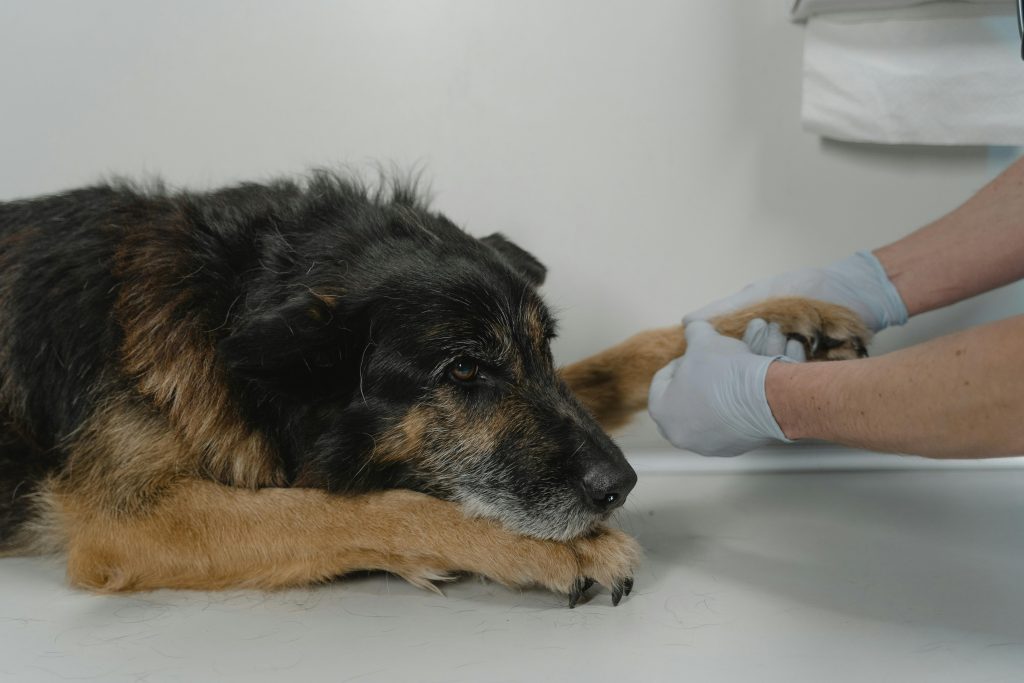
Is your dog about to undergo an operation, or currently recovering from a surgery or illness? It’s never nice seeing your fur-baby feeling sorry for themselves, and not being able to explain to them why they’ve got the “cone of shame” on, or why they’re not able to run around.
So, the chances are you would like to know how you can best support their recovery during this period.
While plenty of rest and cuddles are a must (you don’t need us to tell you that), one of the best things you can do for them is provide them with a diet that is packed with the essential nutrients that will strengthen their immune system, bones, and muscle recovery.
Research shows that there is no diet that will better support this compared to a species-appropriate raw diet.
The Importance of Protein for Muscle Repair
If your dog has recently injured a muscle or bone, high-quality meat protein is more important than ever. Protein is the building block of muscle and tissue repair, and meals with 70–80% meat protein provide exactly what their body needs.
Many dry and wet dog foods contain only 10–20% protein source, often from low-quality sources. For example, “chicken meal” may sound good on the label, but it’s made from rendered leftovers and cooked at extreme temperatures, stripping away much of its nutritional value.
Protein also plays a key role in restoring energy. After trauma, your dog’s body uses enormous amounts of energy for healing, which often leads to fatigue. A diet rich in high-quality protein helps rebuild strength and vitality.
Boosting Immune Support
Just like humans, dogs’ immune systems thrive on fresh, unprocessed whole foods. A properly balanced raw diet of meat, bone, offal, fruit, and veg provides all the essential vitamins and minerals needed for a faster recovery.
Key nutrients include:
Antioxidants – to protect and repair cells
Vitamin K – to support healthy blood clotting
Iron – to boost immune response and energy
Think of it this way, if you only ate processed, packaged food every day, your body would struggle to heal. The same goes for your dog if they’re only fed dried dog food.
Gut Health and Digestion
Surgery, antibiotics, and medications can disrupt your dog’s gut microbiome. This makes digestion support a top priority during recovery.
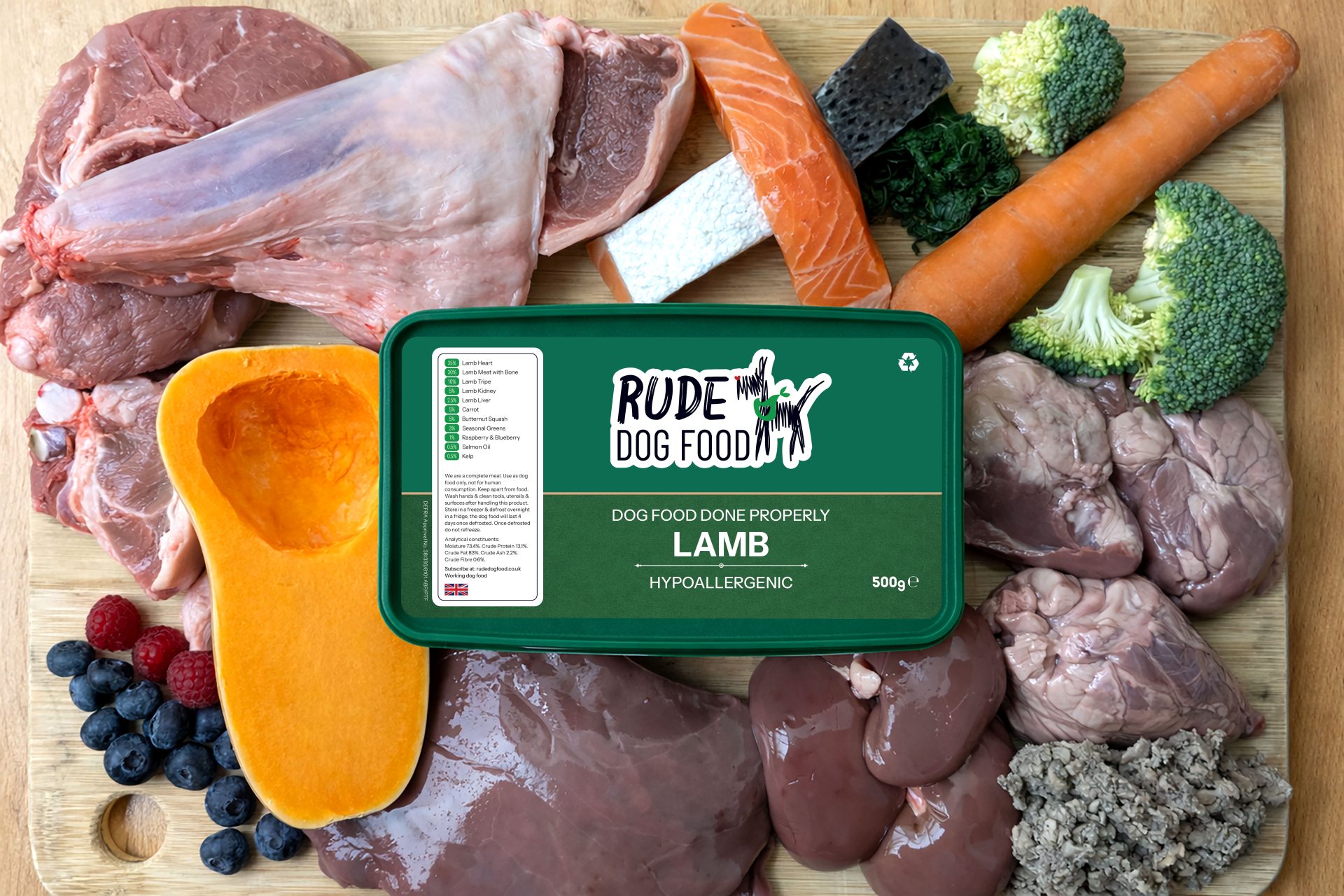
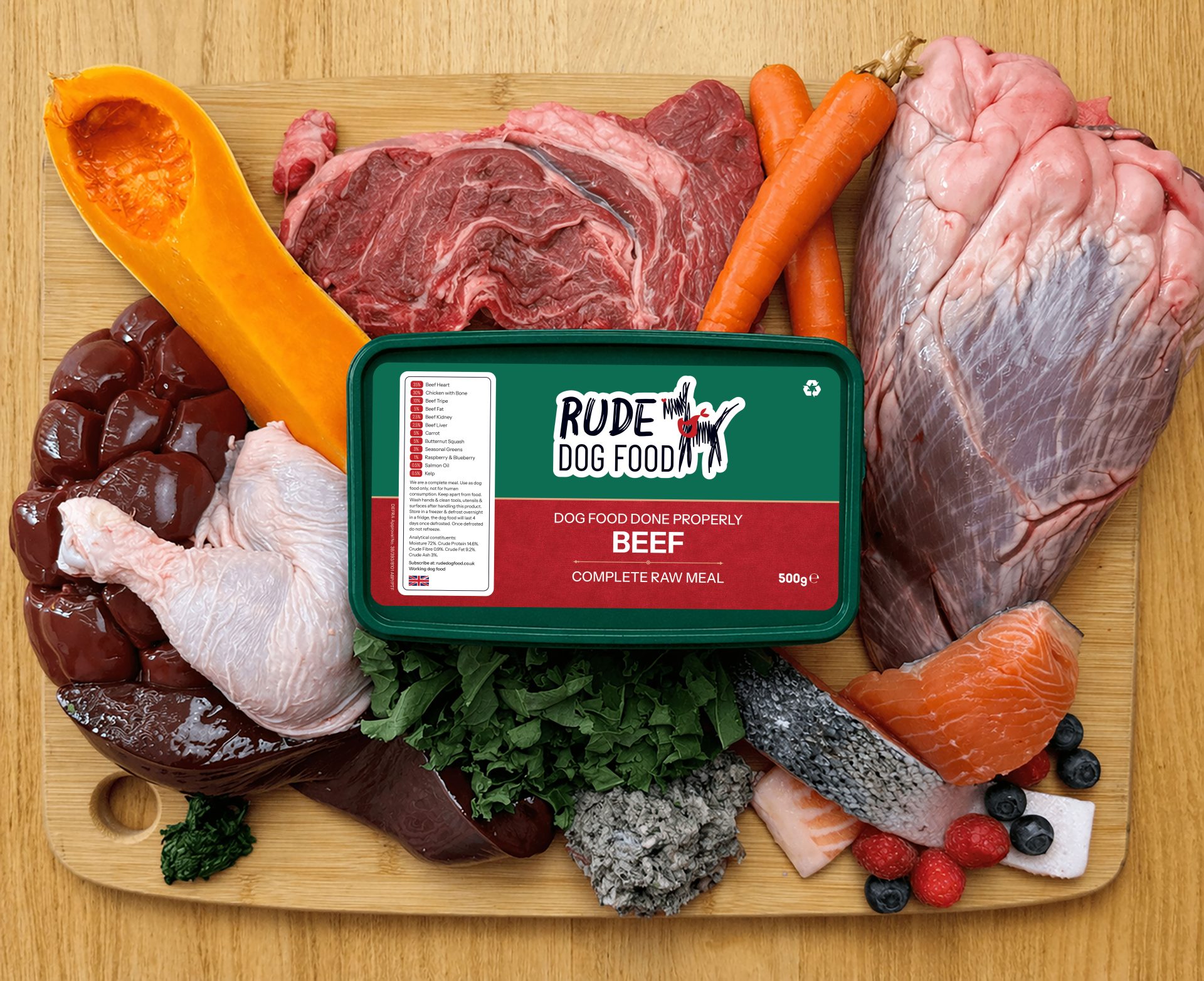
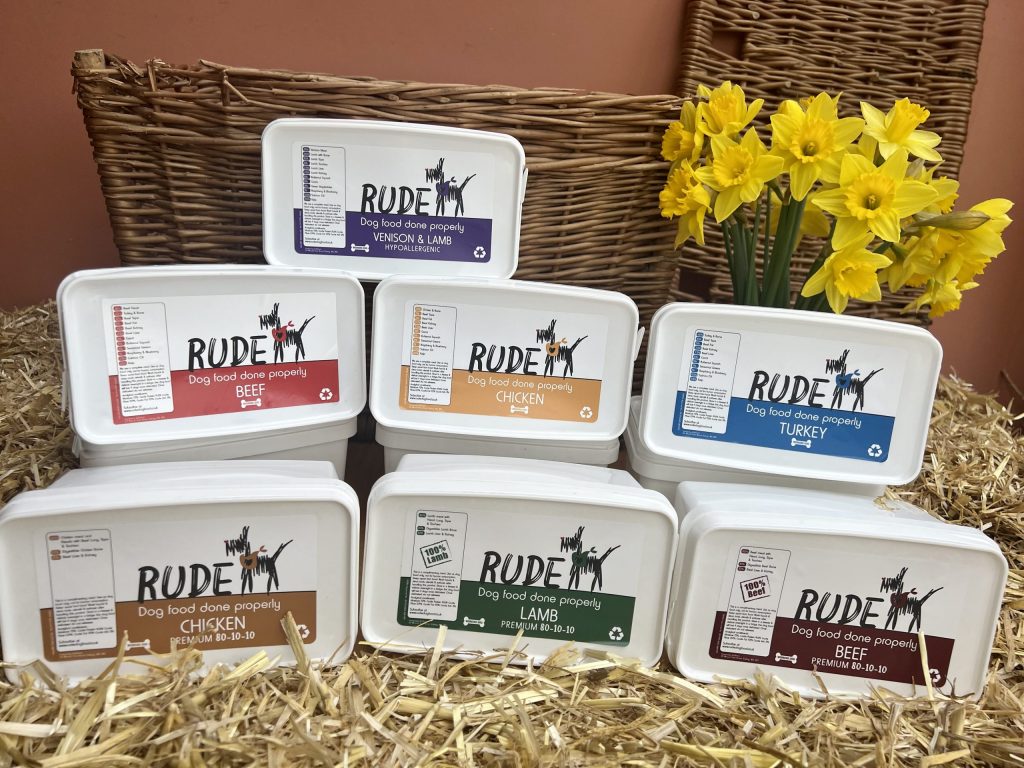
Ingredients like butternut squash and carrots, found in Rude Dog Food complete blends, provide gentle fibre that supports digestion and helps prevent constipation or diarrhoea.
It’s also common for dogs to lose their appetite when unwell. Raw food is both more digestible and enticing compared to kibble. If your dog’s appetite is low, try lean, easy-to-digest proteins like chicken and turkey. These lighter meats are lower in fat, making them a good choice when your dog is less mobile and not burning calories as usual.
Joint Repair and Mobility
Raw meals also naturally support joint and tissue repair.
Meat provides amino acids to rebuild muscle and tissue.
Ground bone supplies calcium for strong bones, along with collagen to repair joints and connective tissue.
Organ meats (like heart, liver, and kidney) and antioxidant-rich fruits and veg (such as berries and kale) contain natural anti-inflammatory compounds.
These nutrients help reduce swelling, ease stiffness, and speed up recovery so your dog can get back to their playful self sooner.
Final Thoughts
If your dog hasn’t been introduced to raw food before, consider transitioning gradually over 4–7 days.
And, while this post is quite generic to a multitude of illnesses and surgery recovery, if your dog is recovering from a specific medical condition, check with your vet for tailored advice.
By supporting your dog with a nutrient-rich raw diet, you’ll be giving them the very best chance to heal, regain energy, and bounce back to full health.
Join the family
Lorem ipsum dolor sit amet consectetur. Suscipit ultricies nibh aliquam feugiat pharetra scelerisque pharetra nunc quis.

 Your Cart