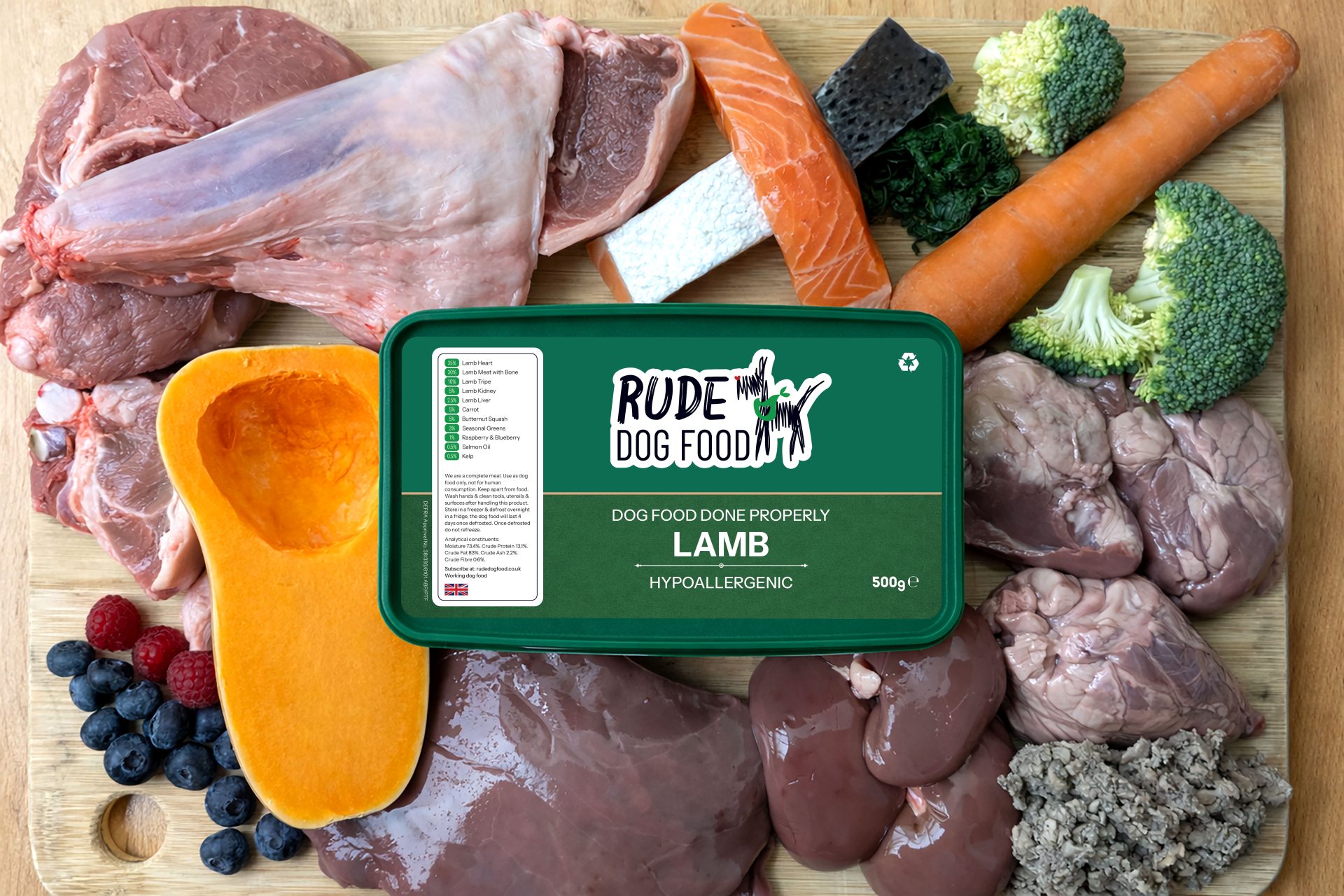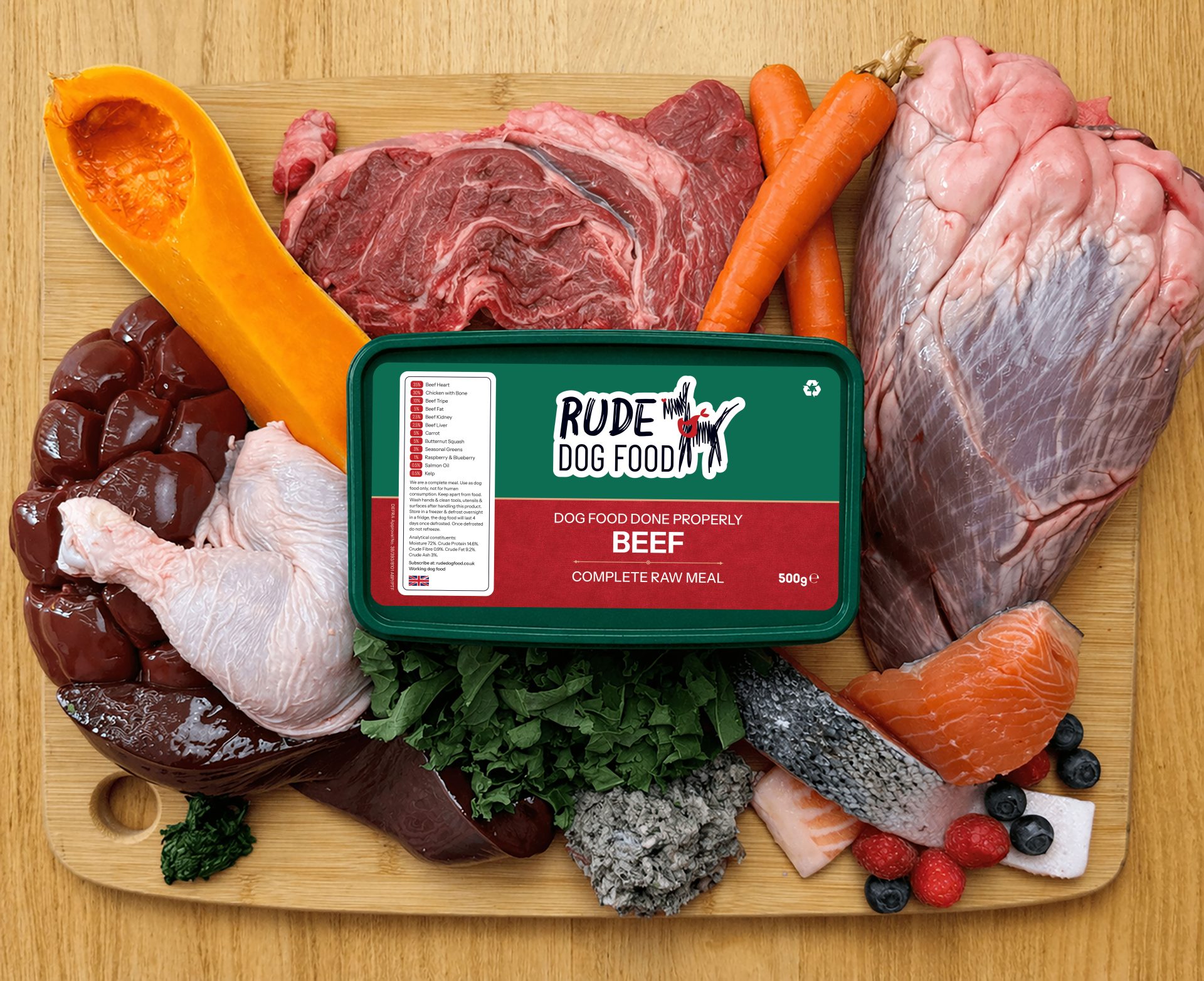

If you’ve ever looked at a pack of raw dog food and seen “liver” or “kidney” listed in the ingredients, you might have wondered what the fuss is about. Organ meats don’t exactly sound glamorous. But here’s the thing: they’re some of the most nutrient-dense foods your dog can eat. In fact, they’re often called “nature’s multivitamins” for good reason.
Let’s break down why organ meats matter, what they actually do for your dog, and how much they should be getting in their bowl.
Organ meats, also known as offal, are exactly what they sound like: the internal organs of animals. The most common ones you’ll find in raw dog food are liver, kidney, heart, and tripe. Each one brings something different to the table nutritionally, and together, they form a powerhouse of essential vitamins and minerals that muscle meat simply can’t provide on its own.
Think of it this way. Muscle meat is brilliant. It’s packed with protein, amino acids, and the building blocks your dog needs for energy and repair. But it’s not the full picture. Organs fill in the gaps. They deliver nutrients in concentrations that are hard to replicate anywhere else, and they do it in a form your dog’s body can actually recognise and use.
In the wild, wolves and other carnivores don’t just eat the muscle meat from their prey. They go straight for the organs first. Why? Because instinctively, they know where the good stuff is. The liver, kidneys, and other organs are packed with the vitamins and minerals needed for survival, immune function, and long-term health.
Your dog’s body hasn’t changed just because they live in your home instead of the wild. They still need those nutrients. And while synthetic vitamins can be added to processed food, they’re not absorbed or used by the body in the same way as natural, whole-food sources. Real organ meats deliver nutrients in their most bioavailable form, meaning your dog’s body can actually put them to work.

Let’s look at what some of the most common organ meats bring to your dog’s diet.
Liver is probably the most well-known organ meat, and for good reason. It’s absolutely loaded with vitamin A, which supports vision, skin health, and immune function. It’s also rich in iron, which is essential for healthy blood and oxygen transport around the body. On top of that, liver provides B vitamins, copper, and zinc, all of which play vital roles in energy production, hormone regulation, and tissue repair.
Too much liver can be problematic due to its high vitamin A content, which is why balance matters. But in the right amounts, it’s one of the most nutrient-dense foods you can feed.
Kidneys are packed with B vitamins, particularly B12, which supports the nervous system and red blood cell production. They’re also a good source of iron, selenium, and essential amino acids. Kidney supports detoxification processes in the body and helps maintain healthy kidney function in your dog.
Heart is technically a muscle, but it’s often grouped with organ meats because of its unique nutritional profile. It’s incredibly rich in taurine, an amino acid that’s critical for heart health and proper cardiovascular function. Heart also provides CoQ10, which supports energy production at a cellular level, as well as B vitamins and essential fatty acids.
Green tripe (the unbleached, raw stomach lining of ruminant animals) is rich in digestive enzymes, probiotics, and amino acids. It supports gut health and digestion, and many dogs find it highly palatable. It’s not as nutrient-dense as liver or kidney in terms of vitamins and minerals, but it plays a different, equally important role in supporting digestive balance.
In a properly balanced raw diet, organ meats should make up around 10% of the overall meal. Within that 10%, it’s important to include a variety of organs rather than relying on just one type. A good rule of thumb is to ensure that liver makes up around half of the organ content, with the other half coming from kidney, or other organs.
This 10% guideline is based on what dogs would naturally consume in the wild and reflects the balance needed to provide essential nutrients without overloading the system. Feeding too much liver, for example, can lead to vitamin A toxicity over time. Feeding too little means your dog misses out on critical nutrients that muscle meat alone can’t provide.
If you’re feeding a complete raw meal from a trusted brand like Rude Dog Food, this balance is already built in. You don’t need to calculate anything or worry about getting the ratios wrong. It’s all done for you.

Without organ meats, your dog’s diet is incomplete. Full stop. Muscle meat alone doesn’t provide the range of vitamins and minerals needed for long-term health. Over time, deficiencies can show up in various ways: dull coat, low energy, poor immune function, slow recovery from illness, and even more serious issues like anaemia or hormonal imbalances.
This is one of the reasons why feeding a properly formulated raw diet matters so much. It’s not about throwing some meat in a bowl and hoping for the best. It’s about understanding what your dog actually needs and making sure every meal delivers it.
If your dog is eating a balanced raw diet that includes organ meats in the correct proportions, the answer is no. Organs provide the vitamins and minerals your dog needs naturally, without the need for synthetic powders or tablets.
Wolves don’t pop a multivitamin with their dinner. They get everything they need from whole food sources. Your dog can too. In fact, natural nutrients from organ meats are far more bioavailable than synthetic alternatives, meaning your dog’s body can absorb and use them more effectively.
The only time supplements might be necessary is if your dog has a specific medical condition or deficiency diagnosed by a vet. But for healthy dogs eating a complete, balanced raw diet, the food itself does the job.
Organ meats aren’t just a nice extra. They’re essential. They provide the vitamins, minerals, and nutrients that muscle meat alone can’t deliver, and they do it in a form that’s natural, bioavailable, and exactly what your dog’s body is designed to use.
When you feed a balanced raw diet that includes the right amount of organ meats, you’re not just ticking a nutritional box. You’re giving your dog the tools they need to thrive. Stronger immunity, better energy, healthier skin and coat, and long-term vitality all start with what goes in the bowl.
Keep it real. Keep it balanced. And let nature’s multivitamins do what they do best.

 Your Cart