
Training and feeding are often treated as two separate parts of dog ownership.
One is about behaviour.
The other is about nutrition.
In reality, they’re closely linked. What you feed your dog directly affects how they learn, focus, behave, and feel. And good training only truly works when it’s supported by proper feeding.
Training isn’t just physical. It’s mental.
Learning requires focus, motivation, and emotional balance. Poor-quality food can make this harder by causing energy spikes, digestive discomfort, or underlying inflammation.
Raw dog food provides steady energy from high-quality protein and natural fats, helping dogs stay alert, engaged, and receptive during training sessions.
A dog that feels good is far easier to teach.
Highly processed diets often rely on carbohydrates for energy. This can lead to short bursts of enthusiasm followed by crashes, restlessness, or poor concentration.
Proper feeding supports more stable energy levels throughout the day. Dogs fed raw dog food often show better stamina and focus, making training sessions more productive and less frustrating for everyone involved.
Training usually involves rewards. And those rewards matter.
Using low-quality treats full of fillers and additives can undo the benefits of good feeding. It can also upset digestion, especially when treats are given frequently.
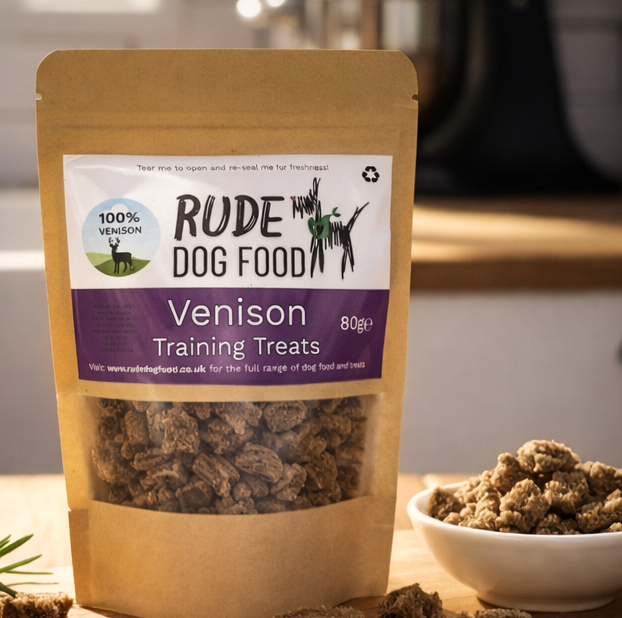
Many owners using raw dog food choose simple, natural training rewards that align with their dog’s main diet. This keeps nutrition consistent and avoids unnecessary ingredients.
A dog with an unsettled stomach is unlikely to perform well in training.
Digestive discomfort can show up as distraction, irritability, or reluctance to engage. Proper feeding supports gut health, which plays a major role in overall wellbeing and behaviour.
Raw dog food is easier for dogs to digest, helping them feel comfortable and settled, both at home and during training.
Training often involves movement. Sitting, staying, walking to heel, recall, agility, or play-based learning all rely on a dog’s physical ability.
High-quality nutrition supports muscle development, joint health, and recovery. This makes learning physical behaviours easier and reduces the risk of strain or fatigue.
Proper feeding helps dogs move better, which supports better training outcomes.
Dogs thrive on routine.
Regular training sessions combined with consistent feeding times help create structure and predictability. This reduces anxiety and builds confidence, especially in young or sensitive dogs.
Feeding raw dog food as part of a clear routine reinforces calm behaviour and trust.
Training problems are sometimes blamed on stubbornness or lack of intelligence. Often, they’re rooted in discomfort, poor nutrition, or inconsistent energy.
When dogs are fed properly, many behavioural issues become easier to manage. Focus improves. Frustration reduces. Progress becomes more consistent.
Proper feeding doesn’t replace training, but it makes training work better.
Training shapes behaviour. Feeding supports the body and mind behind that behaviour.
Raw dog food, made with high-quality ingredients, full transparency, and no fillers, provides the right foundation. Training then builds on that foundation to create confident, well-adjusted dogs.
And when every meal also supports retired service dogs through the National Foundation for Retired Service Animals, it’s a reminder that responsible choices can have a wider impact.
Because the best-trained dogs aren’t just taught well. They’re fed well too.


 Your Cart